
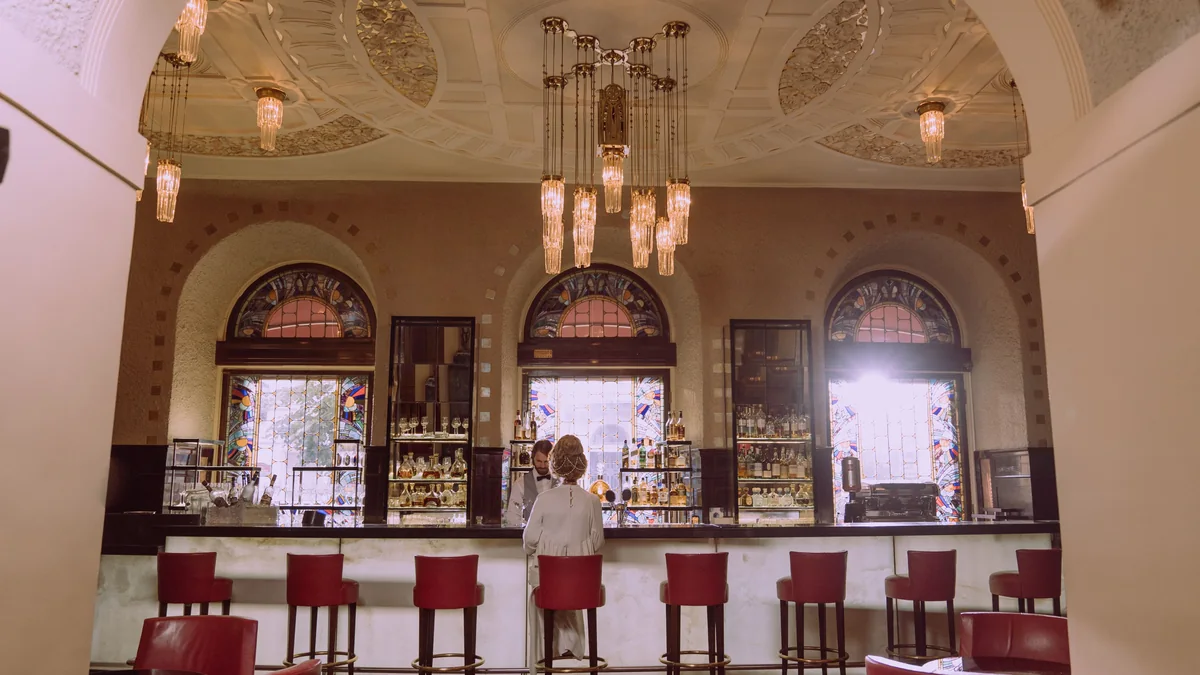
A product launch event or conference is one of the most visible things a business does. Done well, it gets people talking for weeks. Done badly, it’s an expensive afternoon nobody remembers.
The difference is rarely the size of the budget. It comes down to a clear message, a well-paced programme and attention to the guest’s experience from arrival to departure.
Start with one message
Before thinking about venues or entertainment, finish this sentence: “When guests leave, we want them to know, feel or do…”
For a product launch, that might be understanding what the product does and wanting to try it. For a conference, it might be understanding the company’s direction and feeling part of it.
Write it down and share it with everyone involved. Every decision that follows should support it.
Know your audience
A launch for journalists and influencers is planned differently from one for customers, partners or your own staff. Think about:
- What they care about. News, hands-on time with the product, networking, or learning?
- When they can attend. Breakfast and early-evening events often suit busy professionals.
- How they’ll travel. In London, most guests will arrive by public transport, so the venue’s location matters.
Choose the right London venue for a product launch event
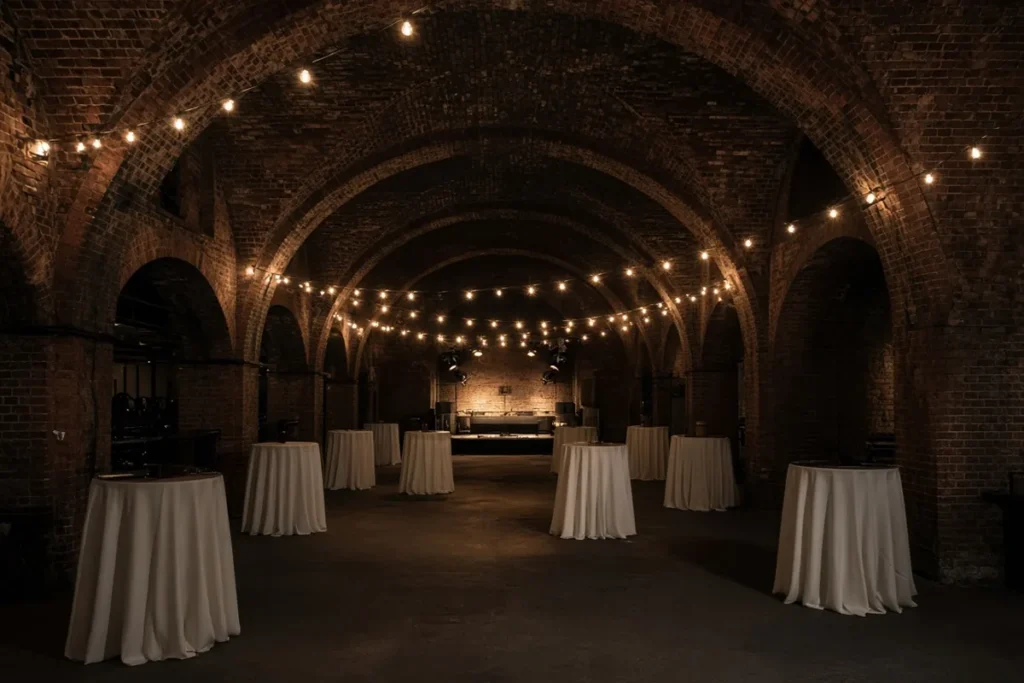
London has an enormous range of event spaces, from hotels and conference centres to galleries, warehouses, rooftops and private members’ clubs. The right one depends on your message and your audience.
Questions to ask every venue
- What is the capacity for the layout we need: theatre, cabaret, standing reception?
- What AV is built in, and what would we need to bring?
- What are the load-in and set-up times, and is there a goods lift?
- Are there noise restrictions or a fixed finish time?
- Is the venue step-free and accessible?
- Is catering in-house, or can we bring our own?
- What are the nearest Tube or rail stations?
Match the space to the story
A raw industrial space suits a bold, design-led launch. A grand hotel ballroom suits an awards dinner or formal conference. A gallery can make a product feel premium.
Visit at the time of day your event will run, so you see the light and atmosphere guests will see.
Build a programme people stay for
The best programmes have a clear rhythm: something to say, something to show, and enough time for people to talk.
Keep it short and paced
Attention drops quickly during long presentations. Keep keynotes tight, vary the format (a talk, a demonstration, a short panel, a video) and build in breaks.
Make the reveal a moment
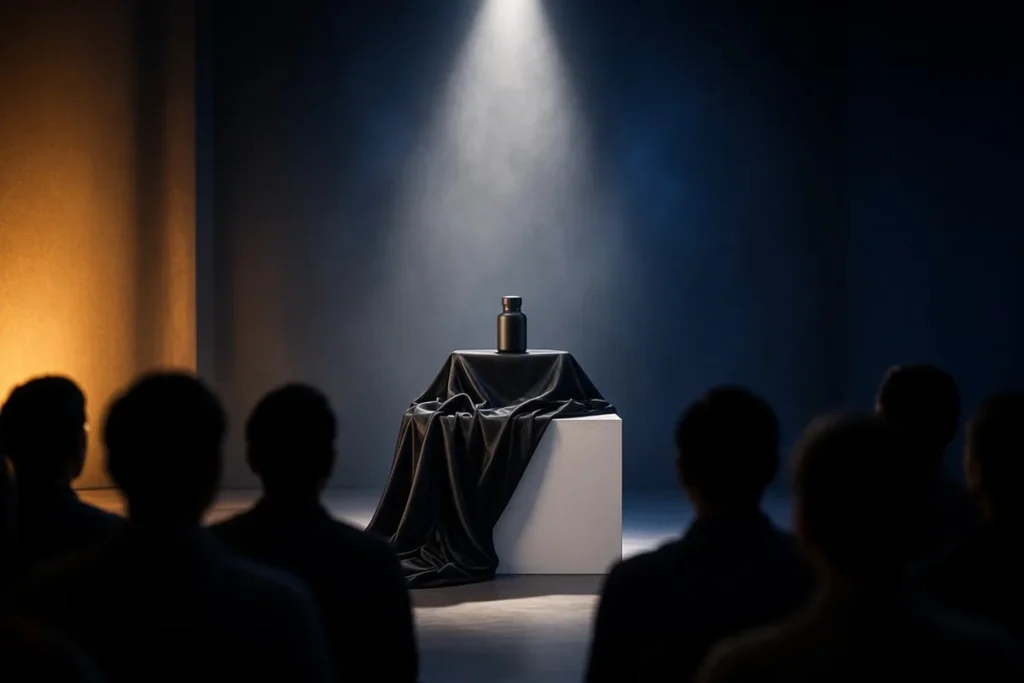
For a product launch, plan the reveal carefully: lighting, music, and what guests see and hold. Then give them time with the product, ideally with knowledgeable staff on hand to answer questions.
Leave room for conversation
For many guests, the people they meet are the main reason to come. Plan networking time with drinks and food that are easy to eat standing up, such as canapés and bowl food.
Rehearse
Run a full technical rehearsal with speakers, slides, videos, microphones and lighting cues. Most on-stage problems are spotted and solved at rehearsal.
Design the guest experience
Walk through the event as a guest would:
- Before the event: a clear invitation, reminders and joining instructions with travel tips.
- Arrival: quick registration, an easy cloakroom and a welcome drink so nobody stands around.
- During: clear signage, good sightlines to the stage and comfortable temperatures.
- Food and drink: enough bar staff to avoid queues, and dietary needs handled without fuss.
- Leaving: a smooth exit, a cloakroom without a long wait, and perhaps something to take away.

Small details like these are what guests remember, and they’re the details most often left until too late.
Make it shareable, carefully
Photographers and videographers can capture content for months of marketing. Agree a shot list in advance, and plan a few places for guests to take their own photos, such as a well-lit product display or a styled photo backdrop.
Make sure you have the right consents for any photography and filming.
Plan for the unexpected
A calm back-up plan is part of good planning, not a sign that something is expected to go wrong.
- Have a back-up for key speakers and a plan for technical failure.
- Know your timings and where you can cut if things run over.
- Brief all staff on emergency procedures with the venue.
- Keep one person free on the day to solve problems.
Measure what matters
Go back to your one message and decide in advance how you’ll measure it. For example:
- attendance against registrations
- leads, demos booked or pre-orders
- press coverage and social media mentions
- feedback survey scores
- for internal conferences, staff engagement scores afterwards
Send a thank-you and follow-up within a day or two while the event is still fresh.
Timeline
For most launches and conferences, start planning three to six months ahead. Our corporate event planning checklist sets out what to do each month, from setting objectives to the follow-up.
Working with an event planner
An experienced planner handles venue sourcing, supplier contracts, production schedules and on-the-day management, so your team can focus on the message and the guests.
At Ovents, every proposal is transparent and itemised and follows a free consultation. See our corporate event planning services, or book a free consultation to talk about your launch or conference.
Frequently asked questions
How long should a product launch event be?
Most work best at two to three hours: arrival and drinks, a short programme with the reveal, then time to explore the product and network. Conferences vary more, but shorter sessions with regular breaks keep energy up.
When is the best time of day for a London launch?
Early evening is popular because guests can come after work. Breakfast launches suit press and busy professionals. Choose based on who you most want in the room.
Do we need a professional host or MC?
For larger events, a confident host keeps the programme on time and links each section. For smaller launches, a well-briefed senior team member can do the job.
How many staff do we need on the day?
It depends on the size and format. Plan for registration, cloakroom, bar and catering, product demonstrations, AV and at least one person free to solve problems.